
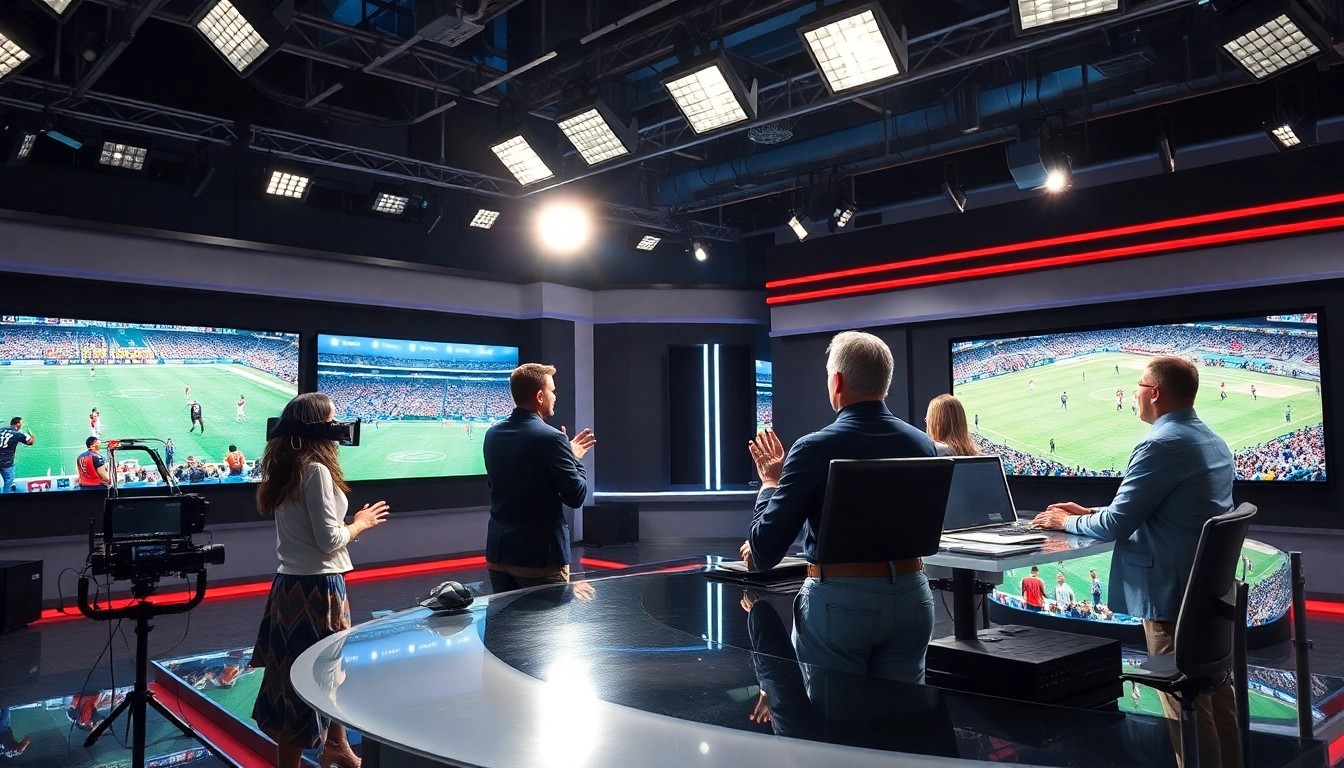
Understanding Sports Broadcasting
What is Sports Broadcasting?
Sports Broadcasting is the transmission of live sporting events or sports-related programming via television, radio, or digital platforms. It encompasses not only the play-by-play commentary of games but also analysis, highlights, and coverage of other sports-related content. The primary goal of sports broadcasting is to deliver real-time game action and engage viewers, making them feel part of the excitement from the comfort of their homes or on-the-go via smartphones and tablets. Particularly in today’s digital age, the evolution of Sports Broadcasting has opened avenues for innovative formats and platforms, enabling reach to a diverse and global audience.
The Importance of Sports Broadcasting
Sports broadcasting plays a crucial role in bringing sports to audiences around the world. It not only promotes and popularizes various sports but also generates revenue through advertising, sponsorships, and subscription models. The broadcasting industry serves as a bridge linking fans to their favorite teams and athletes, creating a community of passionate supporters. Furthermore, it contributes significantly to the economy by creating jobs, driving tourism for events, and stimulating merchandise sales. This interconnected relationship enhances the overall viewer experience and deepens the emotional connections fans have with sports.
Key Technologies in Sports Broadcasting
Modern sports broadcasting relies on various technologies that enhance both the production and viewing experience. High-definition (HD) and 4K resolution cameras capture thrilling moments with detail and clarity, allowing viewers to experience the intensity of the game. Drones are utilized for aerial shots, adding an exciting dimension to the broadcast. Additionally, graphics technology plays a key role in providing stats and analytics during live events, enriching narratives and improving audience engagement. Streaming technology has also transformed sports broadcasting, enabling real-time viewing on multiple devices and allowing users to choose their preferred viewing experience, such as different camera angles or personalized commentary.
Types of Sports Broadcasting
Live Sports Broadcasting
Live sports broadcasting is the pinnacle of sports media, offering viewers the thrill of experiencing action in real-time. Broadcasters utilize various camera angles, slow-motion replays, and expert commentary to enhance the experience. This form includes major events, leagues, and tournaments across different sports, broadcasted on television and online platforms. Viewer engagement is particularly high during live broadcasts, as fans participate in discussions and share their thoughts on social media, contributing to a shared communal experience. This immediacy is what differentiates live broadcasts from pre-recorded content.
Pre-recorded Sports Shows
In contrast to live broadcasting, pre-recorded sports shows offer curated content that can be edited and polished before airing. These shows often feature highlights, player interviews, and in-depth analyses of recent games or sporting events. Pre-recorded programs allow producers to craft narratives that resonate with viewers, creating a more structured and engaging format. Shows like this can also include seasons reviews, countdowns of the best moments, and engaging documentaries covering sports histories or athlete journeys. The flexibility of pre-recorded shows also caters to viewers who prefer curated highlights over full-length games.
Online Sports Streaming
The growth of online sports streaming has revolutionized how audiences consume sports. Services like streaming apps and websites provide on-demand access to live games and on-recorded sports content, catering to consumers’ changing viewing habits. Audiences can watch games on various devices, creating a more personal and flexible viewing experience. Furthermore, the emergence of social media platforms has allowed fans to engage with content in real-time, share highlights, and connect with other fans more seamlessly than ever. Online streaming also expands opportunities for niche sports leagues to attract audiences that traditional broadcasting might overlook.
Challenges in Sports Broadcasting
Content Licensing Issues
One of the significant challenges faced in sports broadcasting is navigating content licensing issues. Rights to broadcast certain sporting events are often held by specific networks, leading to complex negotiations and potential exclusive deals that can obstruct access for other broadcasters. This exclusivity can frustrate fans who may not have access to certain channels, leading to a fragmented viewing experience. Moreover, technology advances create a challenge for broadcasters as they seek to find new ways to monetize streaming platforms while adhering to existing licensing agreements. Addressing these challenges often requires innovative legal frameworks and collaboration between stakeholders.
Technological Limitations
Despite advancements in technology, sports broadcasters still face limitations, particularly regarding bandwidth and connectivity. For live broadcasts, the need for high-speed and reliable internet connections is crucial to avoid interruptions. Additionally, the equipment required for broadcasting high-quality content can be expensive and necessitate continual upgrades as technology evolves. Furthermore, not all regions have the infrastructure to support high-quality streaming, creating disparities in access to sports content that broadcasters need to address, ensuring inclusivity across viewing demographics.
Audience Engagement Challenges
In a crowded media landscape, engaging a diverse audience poses significant challenges. Fans have an abundance of options for how to consume sports content, from traditional broadcasts to social media and online platforms. Broadcasters must continuously innovate to create rich, interactive experiences that attract and retain viewers. They need to harness data analytics to understand viewer preferences, optimize content, and ensure meaningful interaction through social media engagement. Additionally, catering to different demographics—such as millennials and Gen Z—requires understanding shifts in viewer behaviors and preferences in media consumption.
Best Practices for Effective Sports Broadcasting
Enhancing Audience Experience
To increase viewer satisfaction, broadcasters must focus on enhancing the audience experience. This includes providing multiple camera angles, interactive graphics, and real-time statistics to meet diverse viewer preferences. Integration of augmented reality can also immerse fans in the game, creating a state-of-the-art viewing experience. Furthermore, broadcasters should consider implementing audience-driven features, such as voting for best plays or instant replays. Effective storytelling, including behind-the-scenes insights and in-depth athlete profiles, adds invaluable context, making viewers feel more connected to the sport.
Utilizing Social Media
Social media platforms serve as a potent tool for engaging audiences around sports. Broadcasters should leverage platforms like Twitter, Instagram, and TikTok to reach and interact with fans. Exclusive content, behind-the-scenes access, and live polling during broadcasts can drive viewer interaction. Engaging with fans through Q&A sessions and encouraging them to share their thoughts and experiences fosters a sense of community around sporting events. By utilizing social media effectively, broadcasters can create organic buzz around events and attract new viewers while retaining existing fans.
Data Analytics for Sports Broadcasting
Data analytics has become an indispensable tool in sports broadcasting, providing insights that can directly impact the success of broadcasts. By analyzing viewer habits, preferences, and engagement levels, broadcasters can tailor content, optimize schedules, and even refine advertising strategies. Additionally, data can inform decisions on what types of coverage resonate most with audiences, aiding in the development of more appealing programming. The ability to capture and utilize such data not only enhances the viewer experience but also provides a competitive edge against other broadcasters aiming for audience attention.
The Future of Sports Broadcasting
Emerging Trends in Technology
The future of sports broadcasting is likely to be defined by the continued integration of emerging technologies. Advancements in artificial intelligence (AI) are set to revolutionize analysis and commentary, permitting automated highlights and real-time statistic generation that can be tailored to viewers’ preferences. Additionally, the growth in 5G networks promises higher-quality streaming with faster load times and improved reliability, enhancing the overall viewer experience. The advent of chatbots and virtual assistants can further streamline content discovery, allowing audiences to access their favorite events faster and more conveniently.
Innovations in Viewer Engagement
To maintain relevance in a rapidly evolving media landscape, broadcasters will need to innovate in how they engage viewers. This may include the development of interactive sports experiences where viewers can participate in the action through gamification or live fan polls. The use of virtual and augmented reality will further enhance the viewer experience, providing unprecedented immersion in the sporting events. As technology continues to evolve, broadcasters must remain agile and responsive to shifting viewer preferences to secure continued engagement successfully.
Impact of Virtual Reality on Sports Broadcasting
Virtual reality (VR) is emerging as a game-changer in sports broadcasting, offering experiences previously imaginable only in dreams. By using VR, fans can be virtually transported to the front row of a stadium or beside the field, creating unparalleled emotional engagement. This immersive technology not only allows deeper connection with sports but also presents new opportunities for revenue streams. Broadcasters can offer VR experiences as a premium service, catering to both ardent fans and casual viewers intrigued by this novel way to experience games.
Frequently Asked Questions
What is the main role of sports broadcasting?
The main role of sports broadcasting is to deliver live sports events and related content to audiences via various platforms, enhancing fan engagement and experience.
How has technology changed sports broadcasting?
Technology has greatly enhanced sports broadcasting through HD imaging, mobile streaming, and interactive graphics that elevate viewer engagement and experience.
What are the challenges sports broadcasters face?
Broadcasters face challenges such as licensing issues, technological limitations, and the need for innovative audience engagement strategies in a crowded market.
What future trends are expected in sports broadcasting?
Future trends include the integration of AI for real-time analysis, augmented reality for immersive experiences, and stronger data analytics for content personalization.
How can social media be utilized in sports broadcasting?
Social media can be utilized by sharing live updates, behind-the-scenes content, and engaging viewers through interactive polls and Q&A sessions to enhance community.