
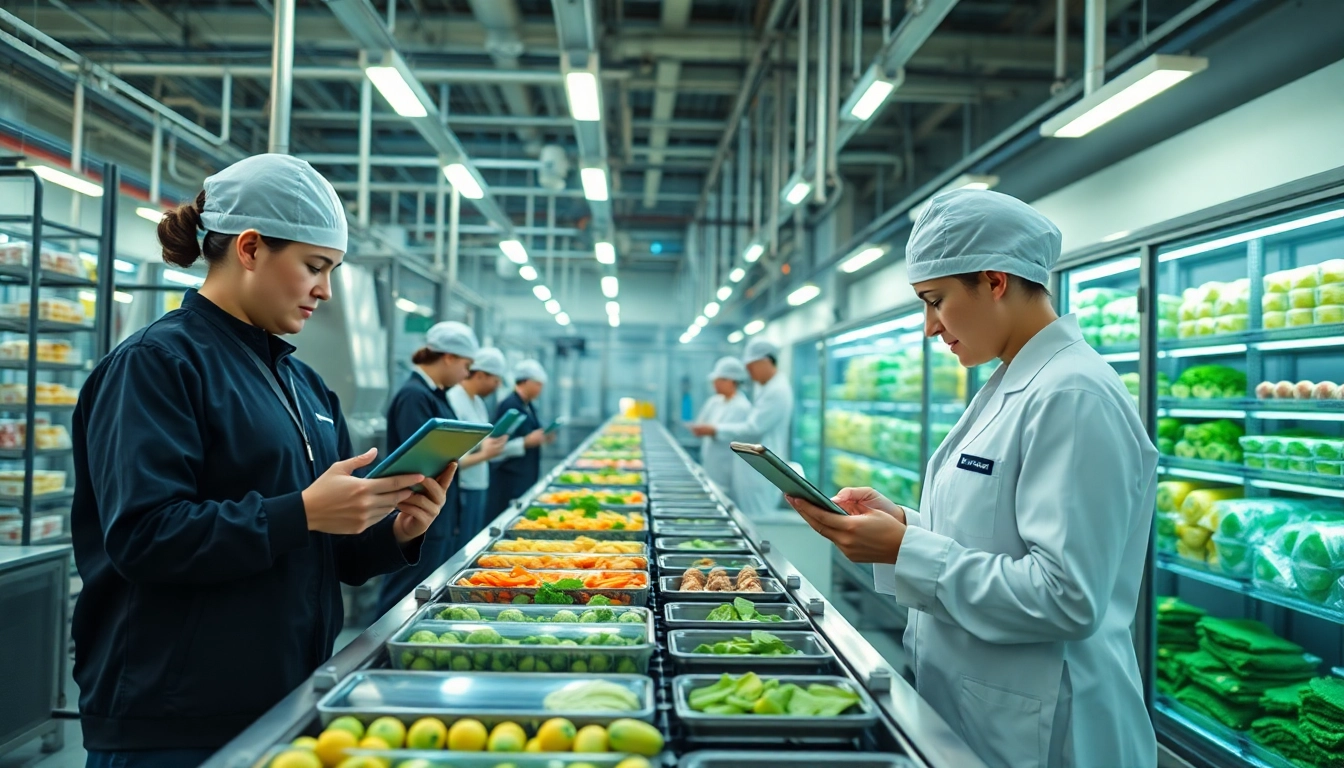
Understanding Traceability Software for Food Manufacturers
In the dynamic landscape of food manufacturing, maintaining quality and safety is more crucial than ever. Traceability software has emerged as an essential tool that not only helps organizations comply with regulatory standards but also fosters trust with consumers. Such software enables manufacturers to track the entire lifecycle of food products, from sourcing raw materials to delivering finished goods. By integrating advanced technology, traceability solutions provide transparency in the supply chain, minimize risks of contamination, and enhance operational efficiency. When exploring options, traceability software for food manufacturers can provide comprehensive insights into effective management practices.
What is Traceability Software?
Traceability software is a specialized tool designed to monitor and document the journey of food products throughout the supply chain. This software facilitates the collection and analysis of data associated with production processes, including ingredients and suppliers. By doing so, it provides detailed historical records that are crucial during audits, inspections, and recalls. Beyond mere tracking, this software often includes features for managing documentation, reporting compliance with safety regulations, and ensuring quality control.
Importance of Traceability in Food Safety
In recent years, incidents of foodborne illnesses have prompted stricter regulations and heightened consumer awareness regarding food safety. Traceability is vital in addressing these challenges, allowing manufacturers to quickly identify and recall affected products. The ability to trace food from “farm to fork” not only mitigates risks but also demonstrates a commitment to safety and accountability. As global supply chains become more complex, the need for comprehensive traceability solutions is paramount for safeguarding public health.
Key Features of Effective Traceability Software
A robust traceability software should encompass several key features that enhance its utility for food manufacturers. These include:
- Batch Tracking: The capability to track individual batches of products, linking them back to specific suppliers and production processes.
- Integrated Reporting: Tools for generating compliance reports that align with local and international food safety standards.
- Real-Time Monitoring: The ability to monitor processes as they happen, enabling quick responses to any safety or quality issues.
- User-Friendly Interface: An intuitive design that simplifies navigation and data entry for employees across various levels of the organization.
- Supplier Management: Features to manage and evaluate supplier performance, ensuring quality throughout the supply chain.
Evaluating Your Traceability Software Needs
Identifying Critical Tracking Events (CTEs)
To successfully implement traceability software, food manufacturers must first identify Critical Tracking Events (CTEs) within their operations. CTEs are pivotal moments in the supply chain that require meticulous monitoring, such as the receipt of raw ingredients, production milestones, and distribution events. By understanding these critical points, manufacturers can configure their traceability software to collect relevant data, ensuring comprehensive oversight and quick access to information when required.
Assessing Compliance with Food Safety Regulations
Compliance with food safety regulations is non-negotiable for food manufacturers. Traceability software can assist in meeting these regulatory requirements by providing tools that monitor compliance standards and generate necessary documentation. It is essential to evaluate the specific regulations applicable to your operation and ensure that the software chosen supports these compliance needs effectively.
Choosing the Right Software for Your Operation Size
The right traceability software can vary significantly based on the scale of your operation. Small manufacturers may benefit from simpler, more affordable solutions that provide essential tracking and reporting functions, while larger enterprises might require more sophisticated systems capable of handling extensive data and complex supply chains. Analyzing your current needs and future growth potential will guide you in selecting the most appropriate software solution.
Top Traceability Software Solutions in 2026
Comparative Analysis of Leading Software
As the industry evolves, numerous traceability software solutions have emerged, each with unique features and benefits. Notable contenders for 2026 include:
- FoodDocs: Known for its user-friendly interface and robust compliance reporting features, FoodDocs is tailored for smaller operations looking for efficiency.
- MRPeasy: This software provides an all-in-one solution for production management and traceability, suitable for small to medium-sized manufacturers.
- Safefood360: Offers tools for complex supply chain management and is ideal for larger enterprises that require extensive tracking capabilities.
- Trustwell: Known for its advanced ingredient tracing and supply chain visibility solutions, Trustwell caters to manufacturers focused on proactive risk management.
User Reviews and Ratings of Popular Products
When selecting traceability software, user experience can provide valuable insights. Most products offer varying levels of satisfaction based on ease of use, customer service, and the effectiveness of tracking features. Sites like SafetyCulture and FoodDocs provide comparative reviews and ratings, helping manufacturers make informed decisions based on peer recommendations.
Emerging Trends in Food Traceability Technology
Technological advancements are continually shaping food traceability solutions. Innovations such as blockchain technology are gaining traction for their ability to enhance transparency and security within the supply chain. Additionally, artificial intelligence is being leveraged for predictive analytics, enabling manufacturers to proactively address potential issues before they escalate. Understanding these trends will help manufacturers stay ahead of the curve in 2026 and beyond.
Implementing Traceability Software Successfully
Step-by-Step Guide to Implementation
Implementing traceability software requires careful planning and execution. A successful implementation process typically includes the following steps:
- Assessment: Evaluate current processes and identify gaps in traceability.
- Selection: Choose the software that best meets your operational needs.
- Integration: Integrate the software with existing systems for seamless data flow.
- Testing: Conduct comprehensive testing to ensure functionality and reliability.
- Launch: Roll out the system organization-wide while ensuring continuous support and troubleshooting.
Training Employees on New Systems
A critical aspect of successful software implementation is training employees. Ensuring that all relevant staff members are well-trained on the new system is essential for maximizing its potential. Conduct workshops, develop user manuals, and provide ongoing support to cultivate a culture of adaptability and competence in using the software.
Measuring the Impact on Production Efficiency
Once implemented, measuring the impact of traceability software on production efficiency is crucial. Key performance indicators (KPIs) such as reduction in recall times, improved compliance rates, and streamlined reporting processes can provide insights into the overall effectiveness of the software. Regular reviews and adjustments based on performance data will continue to enhance operational efficiency.
Future Trends in Food Traceability
Innovations in Food Traceability Software
As we move into 2026, several innovations are poised to redefine food traceability. Internet of Things (IoT) devices are becoming integral in collecting real-time data from production and storage environments, while machine learning algorithms enhance data analysis capabilities. These innovations not only streamline processes but also improve transparency and safety, aligning with growing consumer expectations.
Anticipating Regulatory Changes
The landscape of food safety regulations is continuously evolving. Manufacturers must remain vigilant and adaptable to comply with impending changes, especially as regulatory bodies increasingly emphasize traceability. Staying informed about new requirements and integrating necessary adjustments into your traceability software can mitigate risks and ensure ongoing compliance.
Adapting to Consumer Demand for Transparency
Today’s consumers are more informed and concerned about the origins of their food. Traceability software serves as a powerful tool in meeting this demand for transparency. By providing consumers with accessible information about the journey of their food, manufacturers can build trust and loyalty. Leveraging traceability as a marketing tool can also differentiate your brand in a competitive marketplace.
